
Culvert Replacements Facilitate Bass River Restoration
Our engineers are assisting the Friends of Bass River with a large-scale ecological restoration effort for Upper Bass River, including the replacement of two culverts that restrict hydrologic and tidal flow. One of the largest estuaries on Cape Cod, Bass River provides essential habitat for freshwater and saltwater species. The restoration effort, currently in design, seeks to stabilize erosion near the bank of the river, restore the natural tidal flow, and improve public access and recreational options.
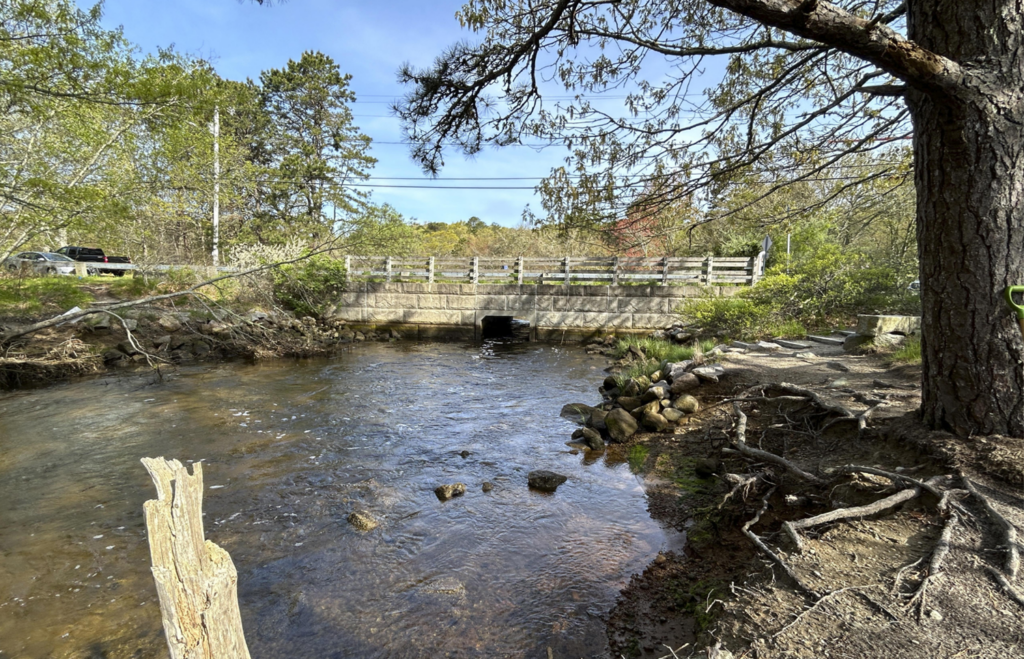
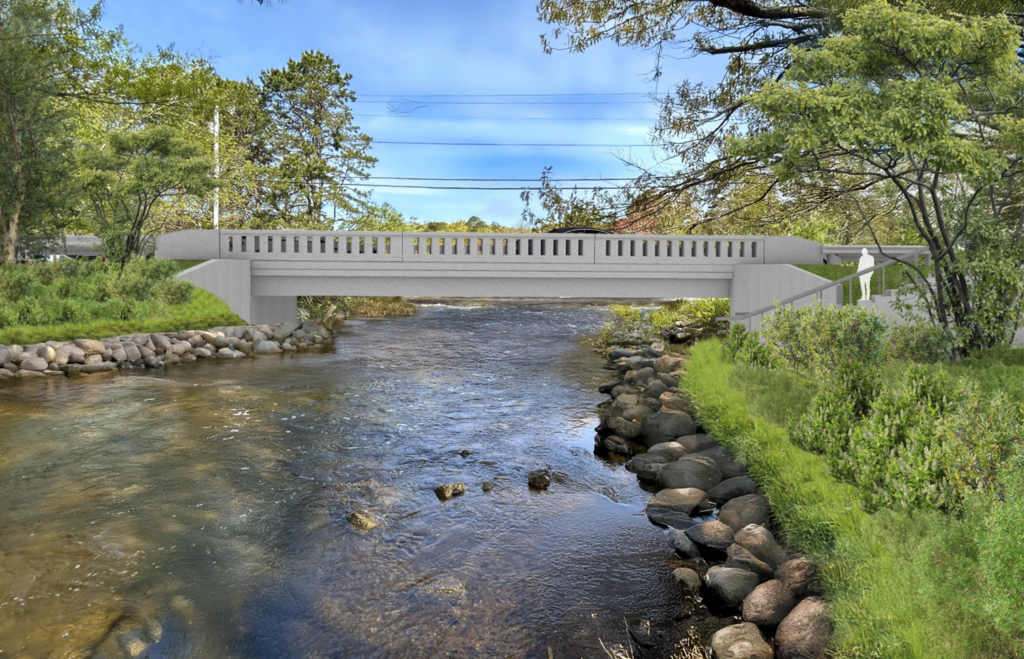
Downstream view of the crossing at North Dennis Road, shown in existing conditions (left) and rendering of proposed replacement (right).
The culvert at North Dennis Road is undersized, restricting the tidal flow of Bass River and causing upstream erosion. The proposed design replaces the current 6-foot culvert with a 60-foot prestressed concrete beam bridge, while also raising the roadway elevation by 4 feet, improving resiliency against flooding. The improvements at North Dennis Road also include a stabilized bank with strategic native plantings, as well as an improved fishing dock.
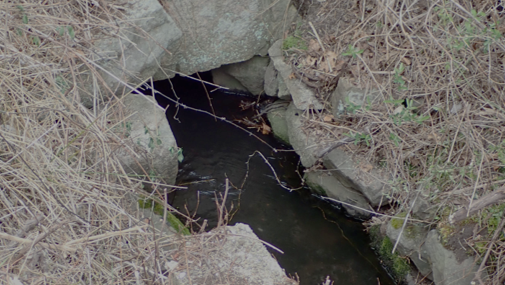
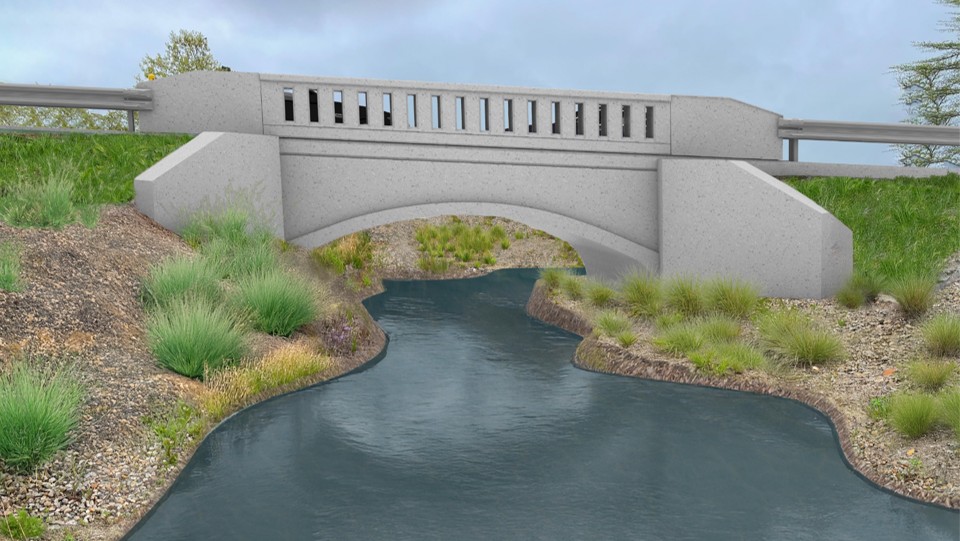
Culvert at Weir Road, shown in existing conditions (left) and rendering of proposed replacement (right)
The Weir Road culvert bisects the site of a decommissioned cranberry bog. Bog restoration is being designed to reestablish salt marsh habitat, and the existing culvert will be replaced to accommodate restored tidal conditions. The restoration design includes slope improvements, improved durability of the roadway, and improved aquatic organism passage. A precast concrete culvert was chosen to minimize road closure time.
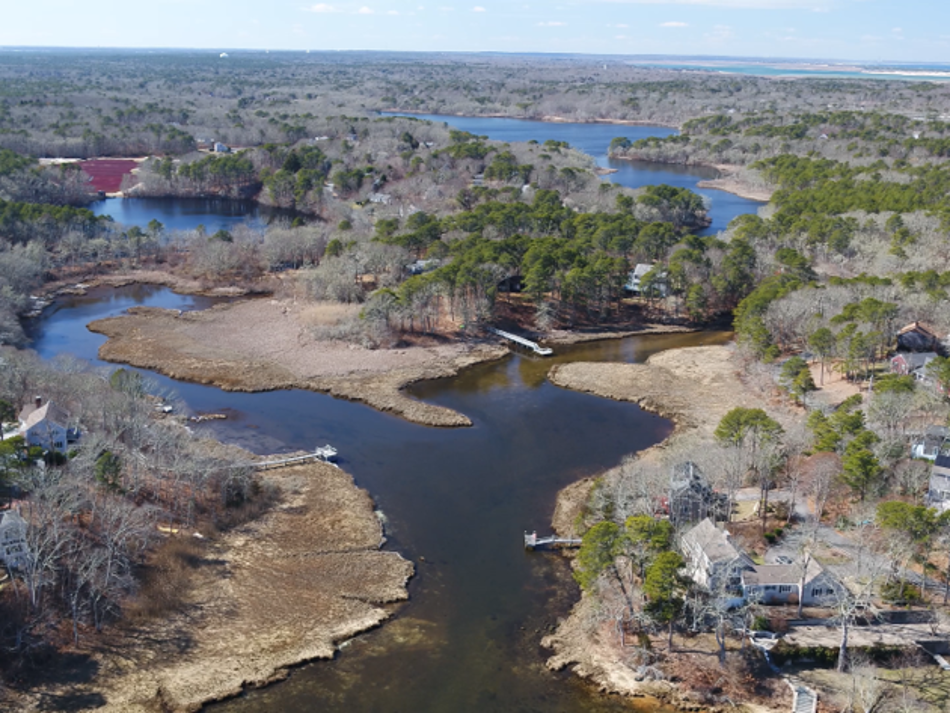
An aerial view of the Upper Bass River.
Community Benefits
The culvert replacements are a key component of a combined wetland restoration effort aimed at restoring tidal flow and ecological conditions across more than 150 acres of former cranberry bogs. Once complete, the project will improve water quality and reduce erosion along the Upper Bass River, while also restoring a vital fish passage corridor. The new crossings are designed to address storm surge and sea level rise, improving infrastructure resiliency against flooding.
Tags: bridges, Cape Cod, culverts, ecological restoration, Resiliency